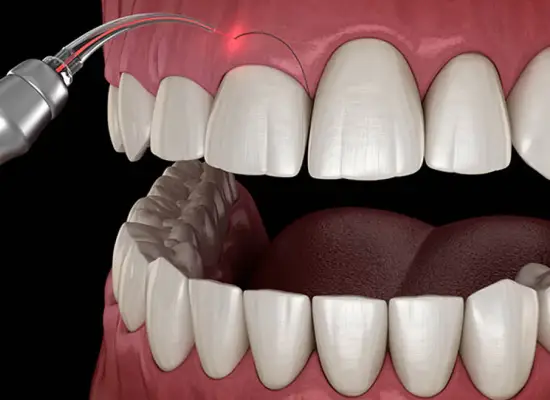
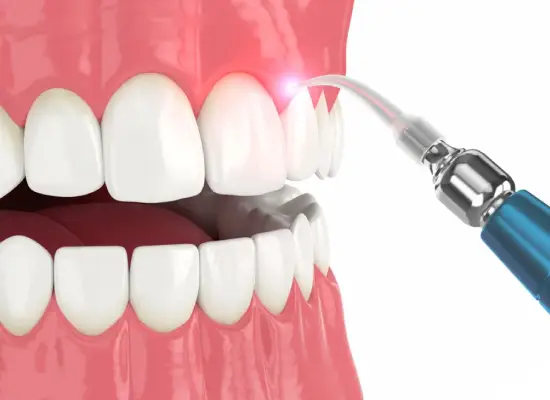
Laser dentistry has become a popular method for improving tooth and gum health, efficiency, and visual appeal. Lasers are used for precise dental procedures and surgeries.
Laser dentistry can be done for the following dental problems:
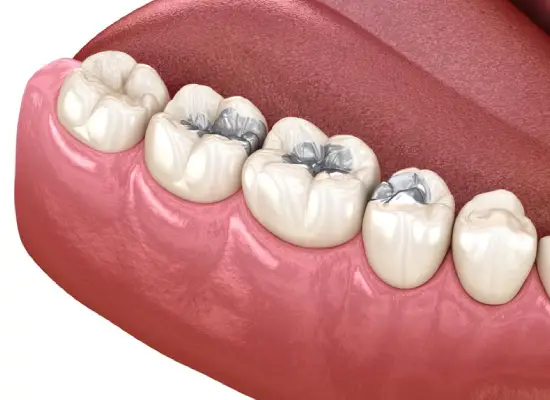
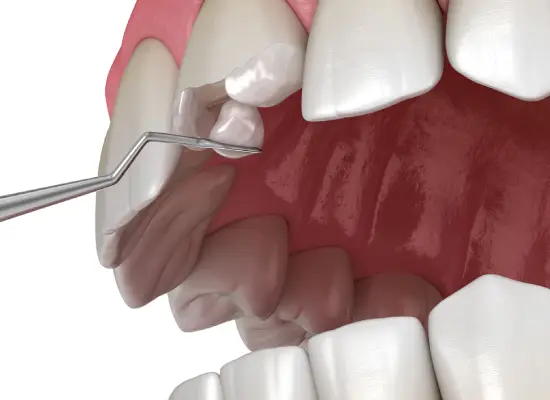
To remove decay from a tooth and form the enamel for the filling.
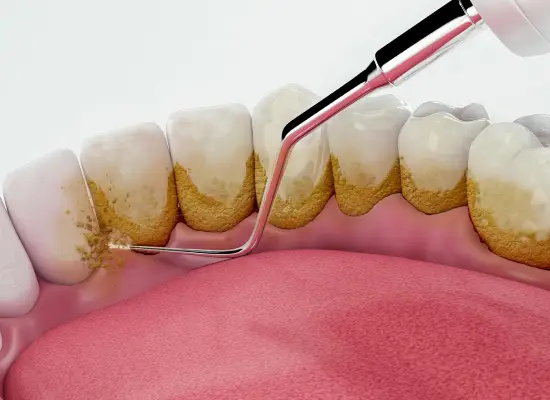
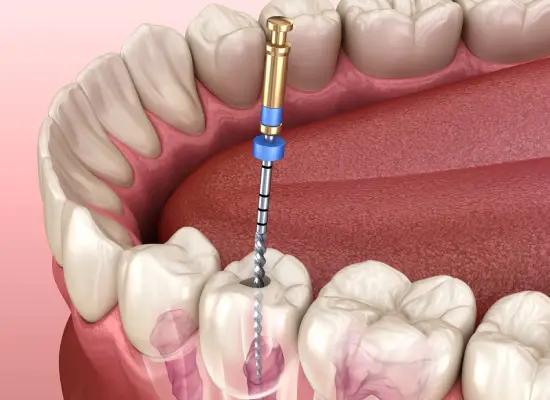
Root canal procedures are used to reshape gums and clean bacterial growth. They are becoming increasingly popular in the treatment of oral infections and periodontal disease.
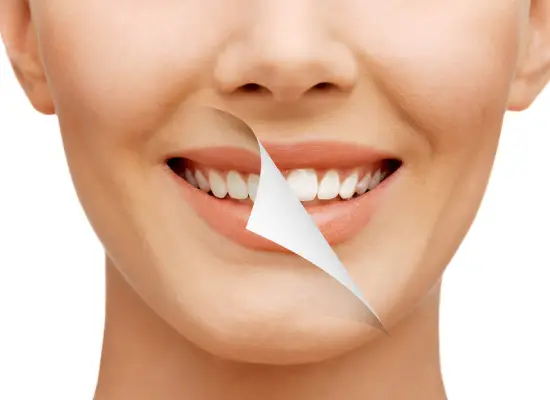
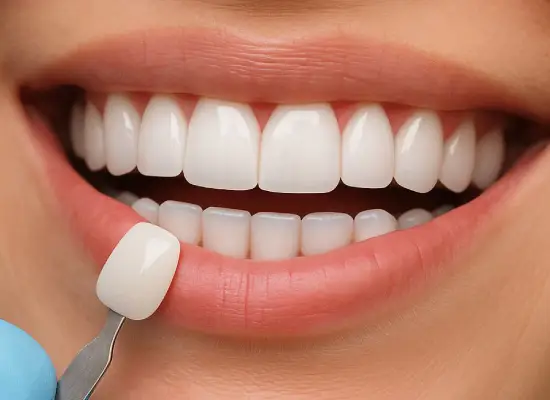
Laser beams emit a safe amount of heat to speed up and increase the efficacy of bleaching agents during professional teeth whitening procedures.
Lasers can be used to remove a small piece of tissue to relieve sores and oral ulcers and to extract a sample for biopsy.
One of the primary advantages of this therapy is that it treats hypersensitivity. Lasers can be used to seal the troublesome tubules and eliminate sensitivity.
There is no need for drilling or anaesthesia with this technology. Additionally, they kill the infection in cavities while placing crowns or fillings.
Entails carefully removing excess tissue, lengthening crowns, and releasing overly tight muscle attachments.
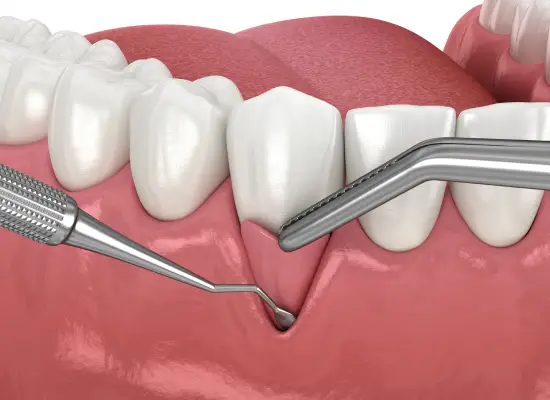
Capable of making incisions and extracting gum tissue. They increase the visibility and accessibility of a dentist while reshaping gums.
This technology can lengthen crowns for cosmetic or better bite reasons on both long and short teeth.
and congenital abnormalities can be removed and repaired using lasers.
A laser frenectomy can be used to treat a tight frenulum on the tongue (lower part of the tongue). It is especially beneficial for children who have a problem with their frenulum, which prevents them from speaking.
Advantages of Laser Dentistry:
No Injection
No Bleeding
No Pain
Almost No Medicine
Bacterial infections are minimized because the high-energy beam sterilizes the area being worked on.
Damage to surrounding tissue is minimized.
Quick Recovery — Wounds heal faster and tissues can be regenerated.
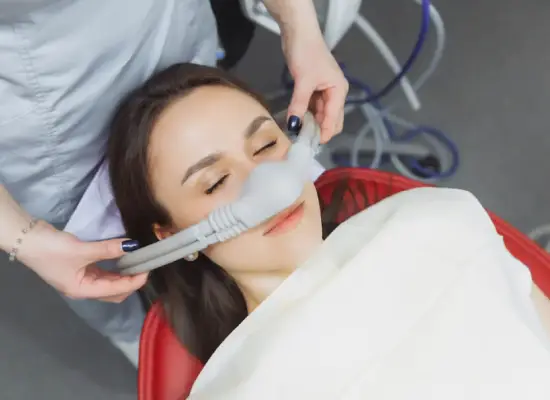
Reduces Dental Anxiety
Prevents Subsequent Problems
Minimizes Bleeding and Swelling
Many dental treatments can be performed precisely and effectively using laser dentistry (preferably Soft Tissues). Soft tissue dental laser procedures may not necessitate the use of injections, sutures (stiches), or medications (almost). Certain Laser Dentistry treatments do not necessitate anaesthesia. Because the high-energy light beam aids in the coagulation (clotting) of exposed blood vessels, laser dentistry reduces bleeding.